If you are thinking about selling in Centennial, this is not the kind of market where you can simply list high and hope buyers stretch. Homes are still moving quickly, but buyers are paying close attention to price, condition, and how a home shows from day one. If you want to protect your value and avoid a stale listing, it helps to understand what today’s market is really telling you. Let’s dive in.
Centennial sellers need a sharper plan
Centennial remains an active market, but it is not a one-size-fits-all seller’s market. Redfin reports a median sale price of $660,605 for the three months ending May 2026, with homes averaging 12 days on market and receiving about 3 offers per home. Redfin also scores Centennial’s market competitiveness at 87 out of 100.
At the same time, Zillow shows a typical home value of $648,057, down 2.6% year over year. Zillow also reports about 397 homes for sale, homes going pending in roughly 8 days, and 31.9% of sales closing above list price. That mix tells you something important: buyers will move fast for the right home, but they are not rewarding every listing equally.
County and metro data support that same message. In Arapahoe County, the median sales price for single-family homes reached $605,000 in April 2026, with 32 days on market and 2.2 months of inventory. Across the broader Denver metro, REcolorado reported a median closed price of $615,000, 16 median days in MLS, and about 13 weeks of inventory in May 2026.
For you as a seller, that means Centennial may still feel tighter than the broader market, but pricing pressure is real. A strong result usually comes from strategy, not optimism.
Price for the first week
Your launch price matters more than almost anything else. When a home hits the market, buyers and their agents quickly compare it to recent sales, nearby competition, and overall value. If your price is well positioned, you are more likely to create urgency early.
If your price is too aggressive, buyers often step back instead of negotiating up to your target. Zillow reports that 48.2% of Centennial sales closed below list price, while 31.9% closed above list price. Redfin also reports that 35.2% of Centennial homes had a price drop.
That tells you the market is still willing to reward strong listings, but it is also quick to reject homes that overshoot. In this kind of environment, testing the market at a high number can cost you momentum. A sharper day-one price often gives you a better chance to attract serious attention while your listing is still fresh.
Use sold comps, not wishful comps
A smart list price should be built on recent sold comparable homes, not the highest active listing in the neighborhood. Active listings show seller hopes. Closed sales show what buyers actually agreed to pay.
That is especially important in Centennial, where different data points can sound similar but mean different things. Redfin’s median sale price, Zillow’s typical home value, and county median prices all sit around the mid-$600,000 range, but they measure different things. None of them should be used alone to price your home.
A defensible price needs to reflect your specific property. That includes:
- Square footage
- Lot size
- Floor plan
- Condition
- Age and quality of updates
- Exterior appeal
- Property type
- Location within Centennial
This is where a more analytical pricing process matters. If your home is updated and well presented, it may justify stronger pricing. If it needs work or competes with more polished homes, buyers will factor that in quickly.
Presentation still influences price
Even in a fast-moving market, presentation shapes how buyers respond. The first showing, the first weekend, and the first impression all affect whether buyers feel urgency or hesitation.
According to the National Association of Realtors’ 2025 Profile of Home Staging, 83% of buyers’ agents said staging made it easier for buyers to visualize the home as a future residence. The same report found that 49% of sellers’ agents said staging reduced time on market, and 29% said staging increased the dollar value offered by 1% to 10%.
You do not need a full luxury remodel to benefit from that. In many cases, the best pre-list work is simple, focused, and practical.
High-impact prep before listing
For many Centennial sellers, the most useful improvements are:
- Decluttering rooms and storage areas
- Deep cleaning the entire home
- Touch-up painting or repainting tired walls
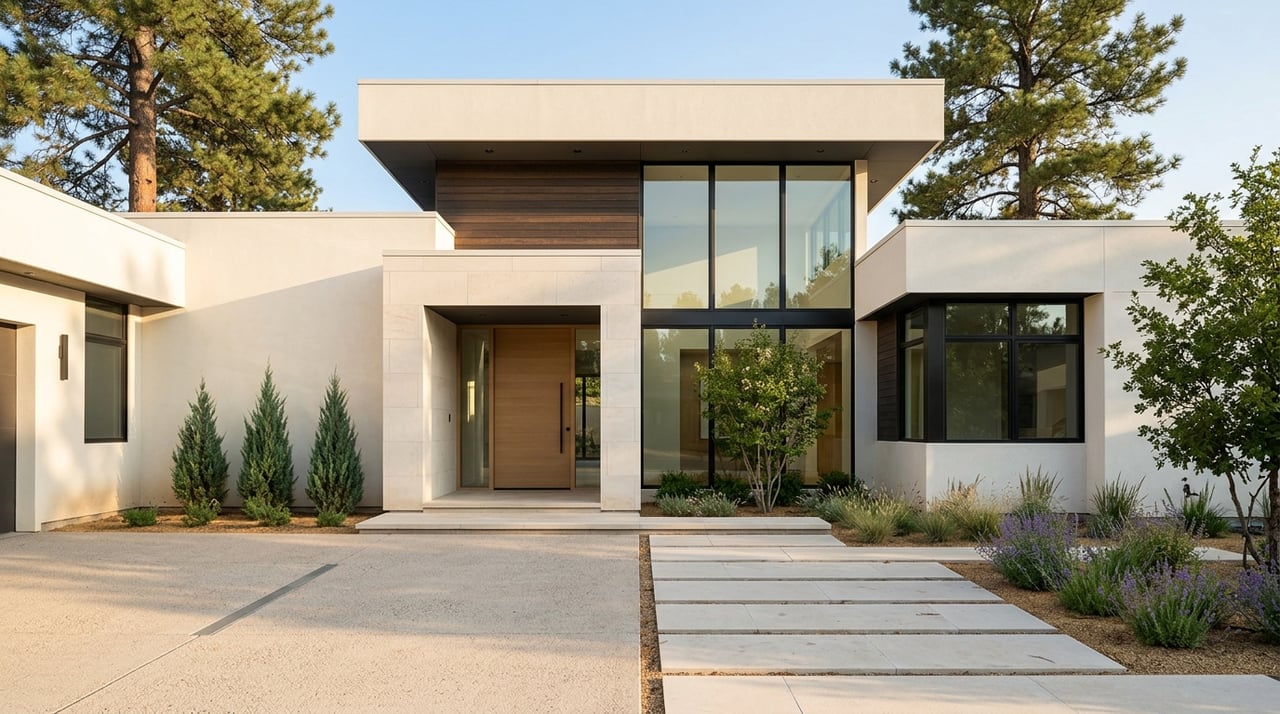
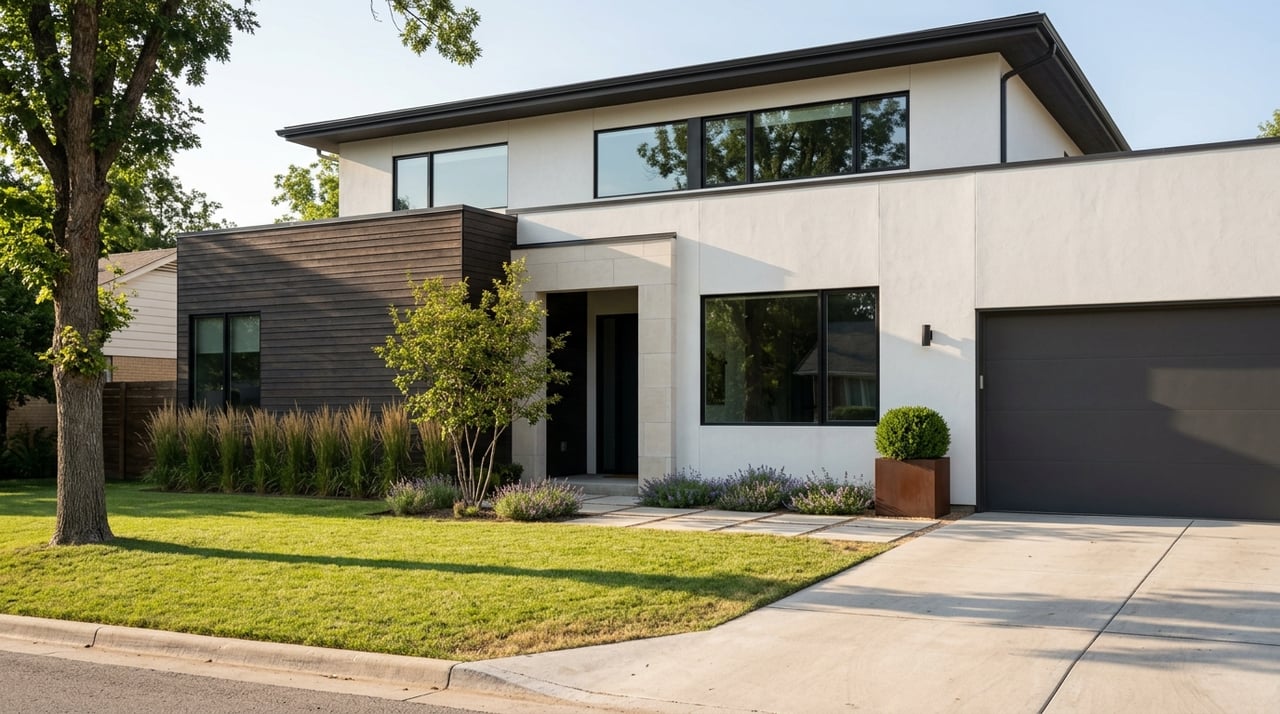
- Improving curb appeal
- Refreshing the front entry
- Replacing dated light fixtures or hardware
- Fixing minor visible issues buyers notice right away
These changes can help buyers focus on the home itself instead of a to-do list. They also support stronger photos, better showings, and a more confident market launch.
Focus on updates with better return
If you are deciding where to spend money before listing, not every project offers the same payoff. The 2024 Cost vs Value report found some of the strongest resale returns came from exterior and entry-focused projects.
The report showed:
- Garage door replacement at 194% return
- Steel entry door replacement at 188% return
- Manufactured stone veneer at 153% return
- Midrange minor kitchen remodel at 96% return
By comparison, major upscale kitchen and bath remodels returned much less. For most sellers, that means targeted improvements usually make more sense than taking on a large renovation right before listing.
A polished entry, clean finishes, and strong curb appeal often do more for your sale than an expensive project you may not fully recoup.
Gather Colorado disclosures early
A smooth sale is not only about price and presentation. It is also about being prepared. In Colorado, sellers should gather disclosure materials early so the process does not become rushed once a buyer is in front of you.
The current Residential Seller’s Property Disclosure is mandatory for use beginning January 1, 2026. The form asks you to answer based on your current actual knowledge, and it requires prompt disclosure if you later discover a new adverse material fact.
The disclosure includes topics such as:
- Structural issues
- Water intrusion or drainage concerns
- Flood-related matters
- Environmental conditions
- Radon testing and mitigation
- HOA assessments
- Short-term rental use
- Legal issues
- Metropolitan district information
Colorado also requires an additional metro district notice in certain situations. For sales on or after January 1, 2024 inside certain metropolitan districts organized on or after January 1, 2000, the seller must provide the district’s official website on the approved disclosure form or another concurrent writing.
Handling this early gives you more time to gather facts, avoid surprises, and move forward with better confidence.
Plan your next move before you list
Many Centennial sellers are also buying their next home, and that creates a second layer of strategy. In today’s market, your sale plan and purchase plan should work together from the start.
Freddie Mac reported the average 30-year fixed mortgage rate at 6.49% on June 25, 2026. That means monthly payments still matter a great deal for move-up buyers, and your next-home budget should be grounded in a realistic estimate of your sale proceeds.
In general, sellers in a seller’s market may prefer to sell first, while buyers in a buyer’s market may prefer to buy first. Wells Fargo also notes that rent-back agreements are a common way for sellers to stay in the home temporarily after closing. It also points out that buying first can be more difficult if you must qualify while still carrying your current mortgage.
For many Centennial sellers, the practical path is:
- Prepare and price the current home carefully.
- Estimate likely net proceeds conservatively.
- Get lender preapproval for the next purchase.
- Decide whether a rent-back, temporary housing, or contingent purchase makes the most sense.
That kind of planning can reduce pressure and help you make cleaner decisions during negotiations.
Keep your budget timeline in mind
While you prepare for closing and your next purchase, it also helps to remember your property tax timing. Arapahoe County states that property tax bills are mailed after January 1. If your balance is over $25, you may pay in two equal installments, with the first due the last day of February and the second due June 15.
This may seem like a small detail, but it matters when you are coordinating moving costs, loan timing, closing funds, and your next housing plan. Good selling strategy includes both the headline decisions and the quieter financial ones.
Strategy wins in an evolving market
Centennial is still a desirable and active place to sell, but the market is asking for more precision than it did in easier years. Buyers are responding quickly to homes that are priced well, prepared thoughtfully, and positioned clearly from the start.
If you want to maximize your outcome, think in terms of total strategy: pricing based on sold data, focused pre-list improvements, early disclosures, and a realistic plan for your next move. That combination can help you protect value and avoid the drag that comes from overpricing or underpreparing.
If you are considering a sale in Centennial and want a calm, strategic plan built around your goals, connect with Hanh Chung for thoughtful guidance and a free home valuation.
FAQs
How competitive is the Centennial home market for sellers in 2026?
- Redfin reports Centennial homes sold in about 12 days on average, received around 3 offers per home, and earned an 87 out of 100 competitiveness score, which suggests an active market for well-positioned listings.
What pricing strategy works best for a Centennial home sale?
- A strong strategy is to base your list price on recent sold comparable homes and adjust for condition, size, lot, updates, and property type, rather than relying on active listings or the highest neighborhood asking price.
Do Centennial sellers need to stage their homes before listing?
- Staging is not required, but staging and presentation can help buyers picture the home more easily and may reduce time on market, according to the National Association of Realtors’ 2025 staging report.
What home improvements should Centennial sellers consider before listing?
- Lower-friction improvements like cleaning, decluttering, paint, curb appeal, entry updates, and minor repairs often make more sense than major remodels, especially since some exterior and entry projects showed stronger resale returns in the 2024 Cost vs Value report.
What disclosures are required for a Colorado home sale in 2026?
- Colorado’s current Residential Seller’s Property Disclosure is mandatory for use beginning January 1, 2026, and sellers must answer based on current actual knowledge and promptly disclose newly discovered adverse material facts.
How can Centennial sellers buy and sell at the same time?
- Many sellers start by preparing and pricing their current home, estimating net proceeds, securing lender preapproval, and deciding whether a rent-back, temporary housing plan, or contingent purchase fits their situation best.